APC系统基础工具

APC system basic tools

先进过程控制(Advanced Process Control, APC)

是对那些不同于常规控制,并具有比常规PID控制更好的控制效果控制策略的统称。

It is a general term for those control strategies which are different from conventional control and have better control effect than conventional PID control.

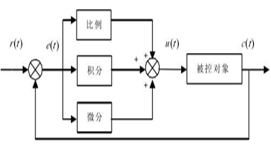
PID控制 PID Control
自适应控制 Adaptive Control
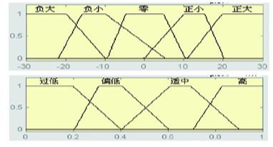
模糊控制 Fuzzy Control
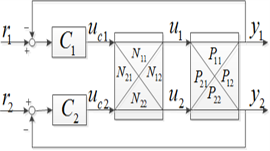
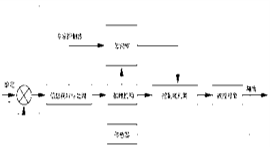
解耦控制 Decoupling Control
替换-----
专家控制Expert Control
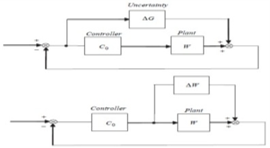
鲁棒控制 Robust Control

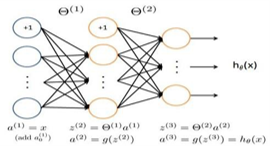
神经网络控制

Neural Network Control

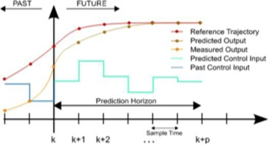
模型预测控制(MPC)

Model Predictive Control(MPC)

APC解决的问题

Problems solved by APC

Improve automation utilization

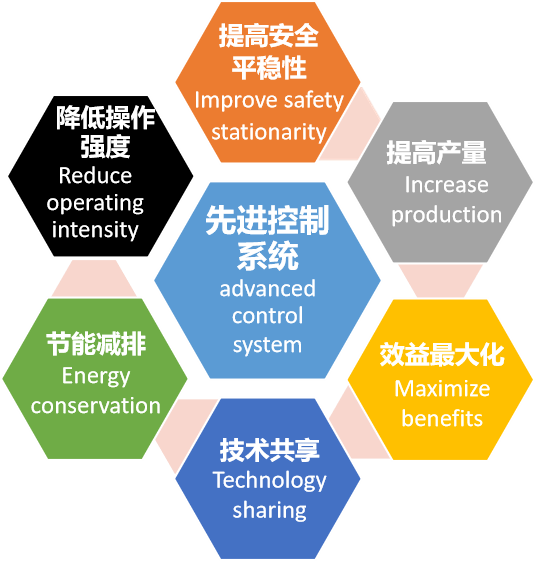
降低操作强度、保证生产安全平稳、
产品质量稳定、减少人力成本

Reduce operating intensity and ensure safe and
stable production.
Stable product quality and reduced labor costs

Multi-loop optimization

多回路协调优化、解耦控制、
提高系统抗干扰能力、节能降耗

Multi-loop coordination optimization and
decoupling control
Improve system anti-interference ability, save
energy and reduce consumption

提升自
控率
提升平
稳率
多回路
优化
卡边
操作

Improve automation utilization

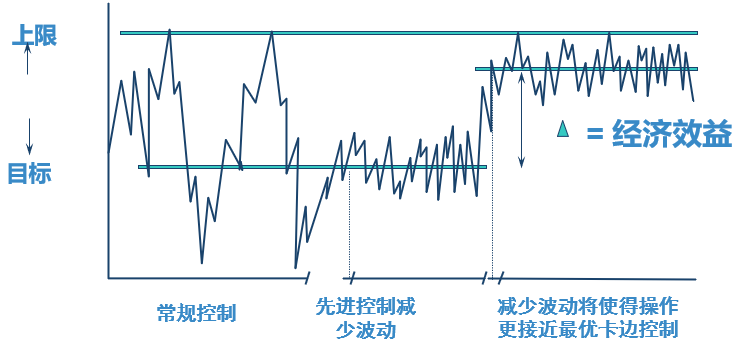
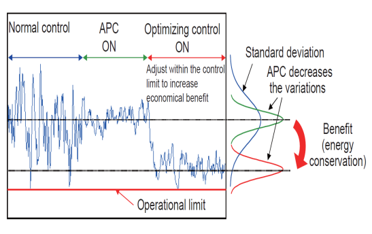
降低波动标准偏差、提高控制性能、 生产更加安全稳定

Reduce controlled variable standard deviation, improve control performance, Production is safer and more stable

Constraints borderline operate

将控制点推向约束的边界运行、增产提质

Push the control point to the constrained boundary operation to increase production and improve quality

提升自控率

Improve automation utilization

降低操作强度、保证生产安全平稳、
产品质量稳定、减少人力成本

Reduce operating intensity and ensure safe and
stable production.
Stable product quality and reduced labor costs

提升平稳率

Multi-loop optimization

多回路协调优化、解耦控制、
提高系统抗干扰能力、节能降耗

Multi-loop coordination optimization and
decoupling control
Improve system anti-interference ability, save
energy and reduce consumption

多回路优化

Improve automation utilization

降低波动标准偏差、提高控制性能、 生产更加安全稳定

Reduce controlled variable standard deviation, improve control performance, Production is safer and more stable

卡边操作

Constraints borderline operate

将控制点推向约束的边界运行、增产提质

Push the control point to the constrained boundary operation to increase production and improve quality

安、稳、长、满、优 Safe, stable, long-lasting, full and excellent
先进控制的作用与效益点

The role and benefits of advanced control

APC给企业的效益

Benefits of APC to enterprises

  • 满足条件下,实现特定产品收率最大化

    Under certain conditions, maximize the yield of specific products

  • 提高控制性能,更加安全稳定运行

    Improve control performance and operate more safely and stably

  • 实现“卡边”运行,挖掘装置潜在效益

    Achieve "stuck edge" operation and tap the potential benefits of the device

  • 消除操作差异化,自动应对工况的变化

    Eliminate operational differentiation and automatically respond to changes in working conditions

  • 尽可能低的降低装置消耗(原料、蒸汽等)

    Reduce device consumption (raw materials, steam, etc.) as low as possible

  • 降低操作员操作强度、优化人力资源配置

    Reduce operator operating intensity and optimize human resource allocation

基本控制

Basic controls

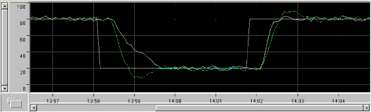
基本回路监视、诊断、评估Basic loop monitoring, diagnosis, and evaluation

  • 对控制回路进行连续的监视和分析 , 不对回路造成任何影响;

    Continuously monitor and analyze control loops without cause any impact;

  • 对阀门故障进行检测和诊断;

    Detect and diagnose valve failures;

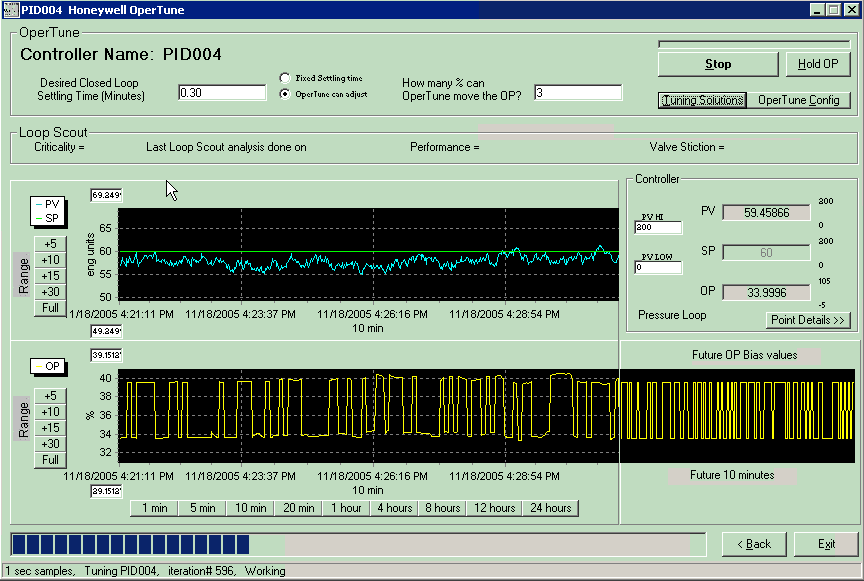
PID回路整定PID loop tuning

  • 鲁棒PID控制器调节Robust PID controller tuning

  • 在工艺波动频繁的场合进行优化控制

    Optimal control in situations with frequent process fluctuations

  • 参数变化最小Parameter changes are minimal

Profit Loop - 单回路模型预估控制Profit Loop - single loop model predictive control

  • 提高控制性能Improve control performance

  • 减少阀门磨损Reduce valve wear

  • 减少组态和维护工作量Reduce configuration and maintenance effort

APC与PID的区别

The difference between APC and PID

常规 PIDRegular PID

  • 单参数控制

    Single parameter control

  • 多个独立的PID回路

    Multiple independent PID loops

  • 复杂回路等

    Complex loops, etc

先进控制advanced control

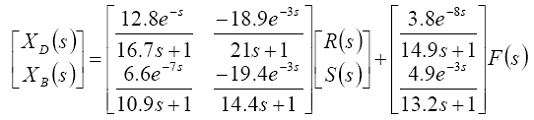
  • 解耦控制

    Decoupled control

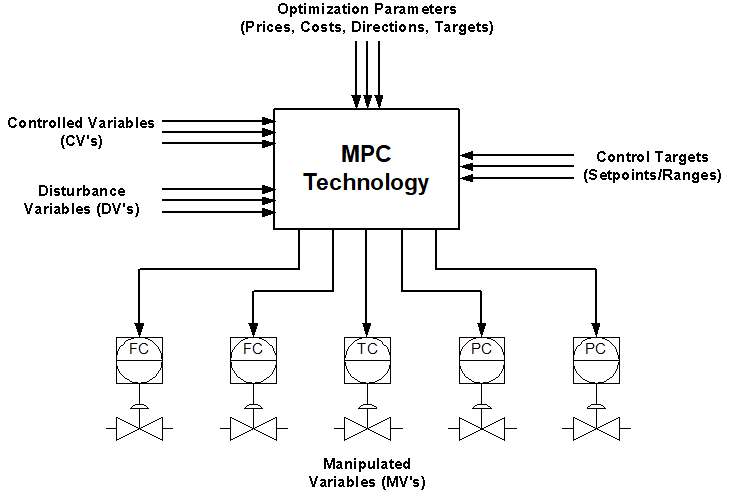
  • 多变量模型预测控制

    Multivariable model predictive control

  • 多回路协调优化控制

    Multi-loop coordinated optimization control

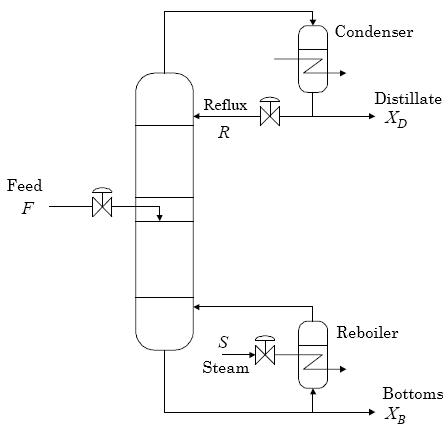
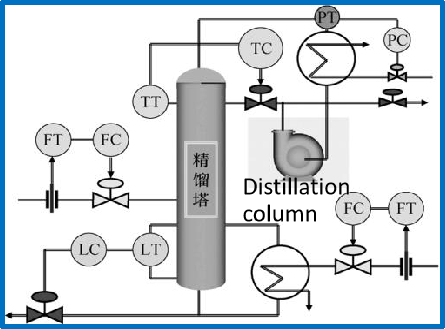
目标: 控制塔顶产品组分和塔底产品组分。

Goal: Control the top product composition and the bottom product composition.
多变量控制的基本原理

principles of multivariable control

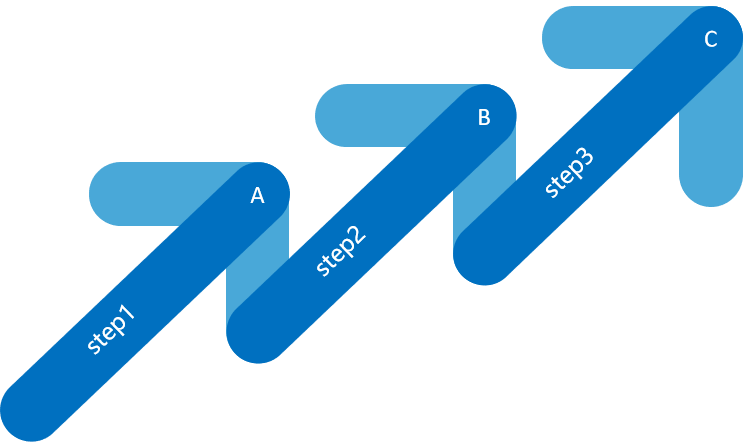
步骤step

A

使过程稳定

Make the process stable

B

控制过程达到目标

Control process to achieve goals

C

优化操作

Optimize operations

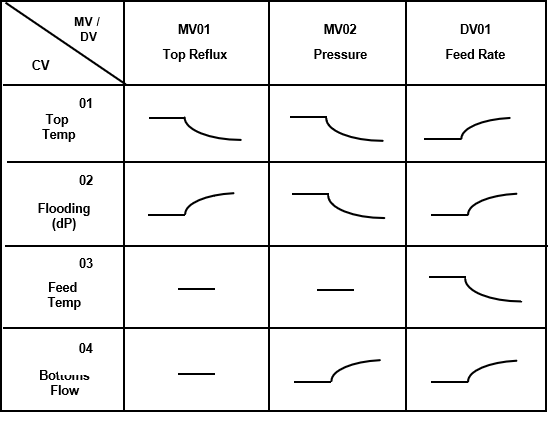
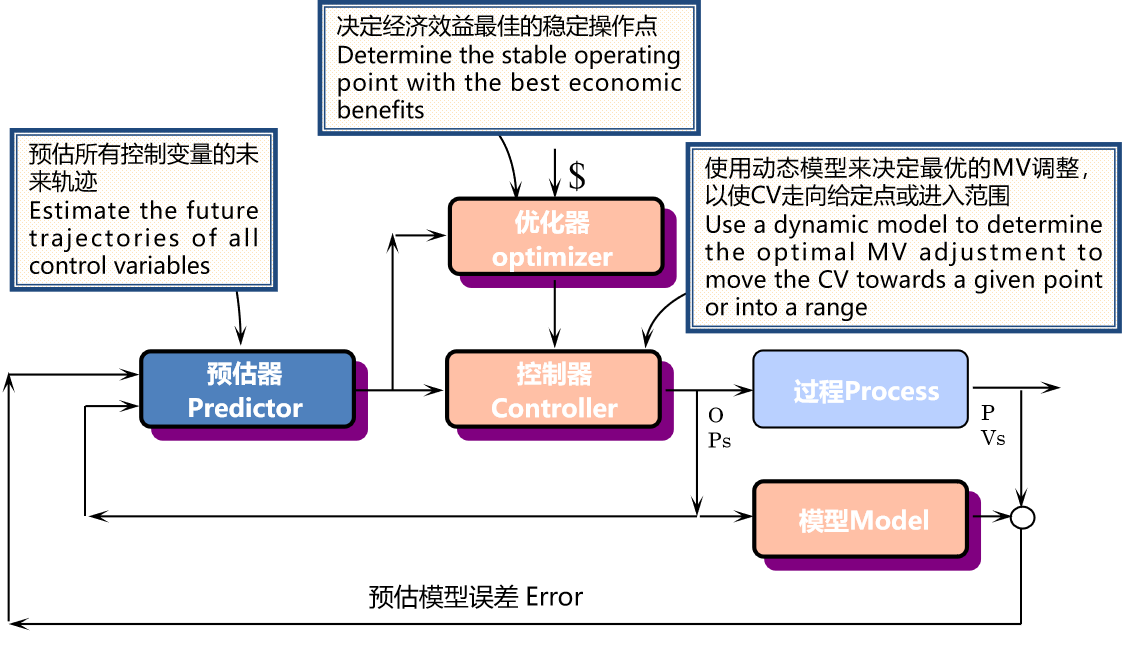
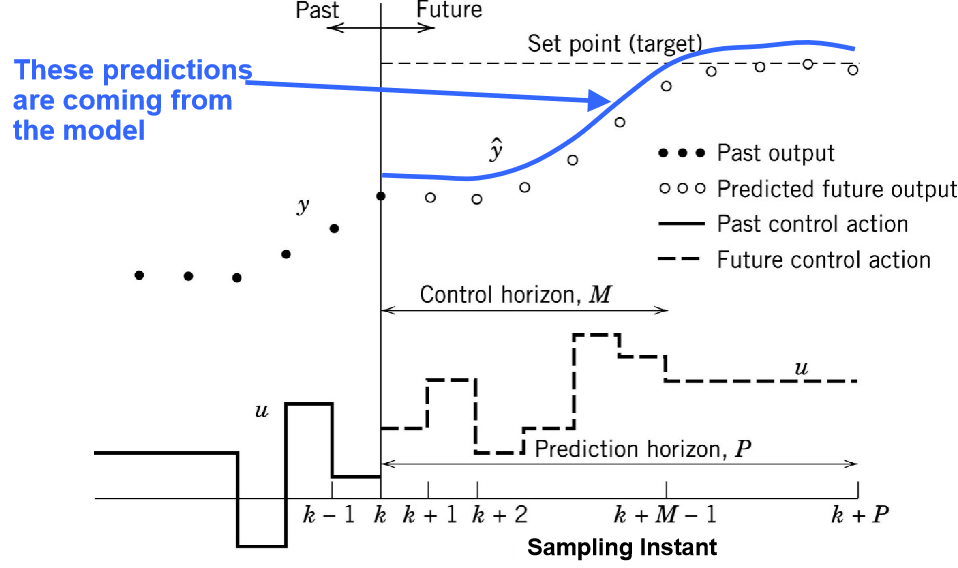
预测控制基本原理

principles of predictive control

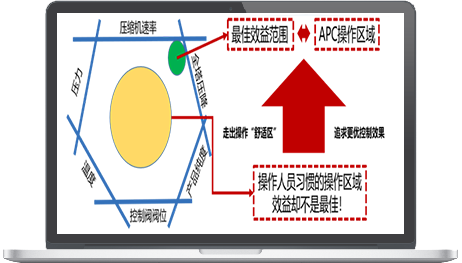
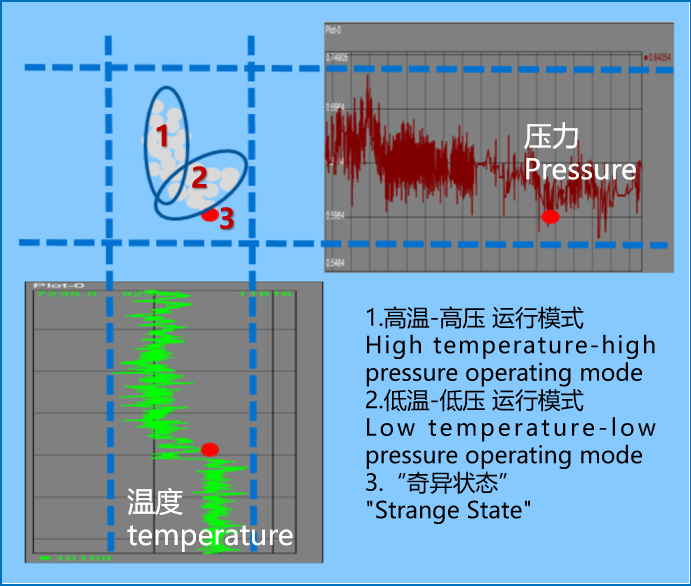
优化 - “模式”概念

Optimization - the "pattern" concept

  • 单独对各因素可控不能保证最优Controlling each factor alone cannot guarantee optimal results
  • 注意:变量不是独立的Note: variables are not independent
  • 过程是按“模式”运行的Processes are run in "patterns"
  • 模式是一个“圈”The process is run according to "pattern" and the pattern is a "circle"
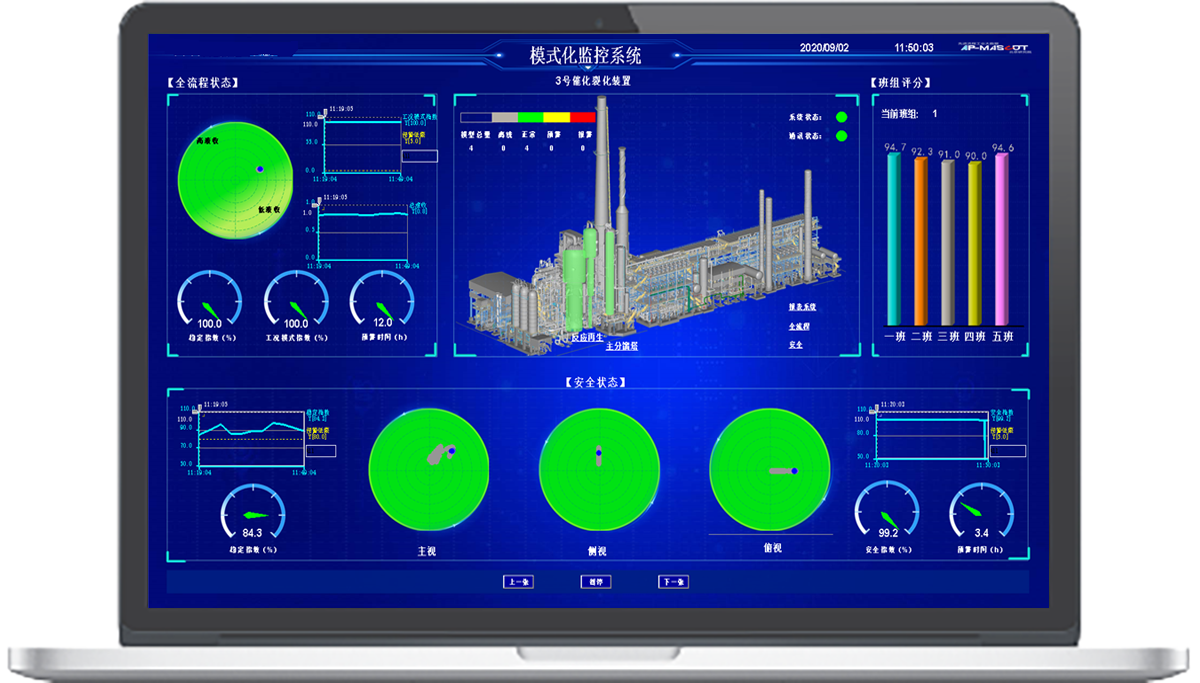
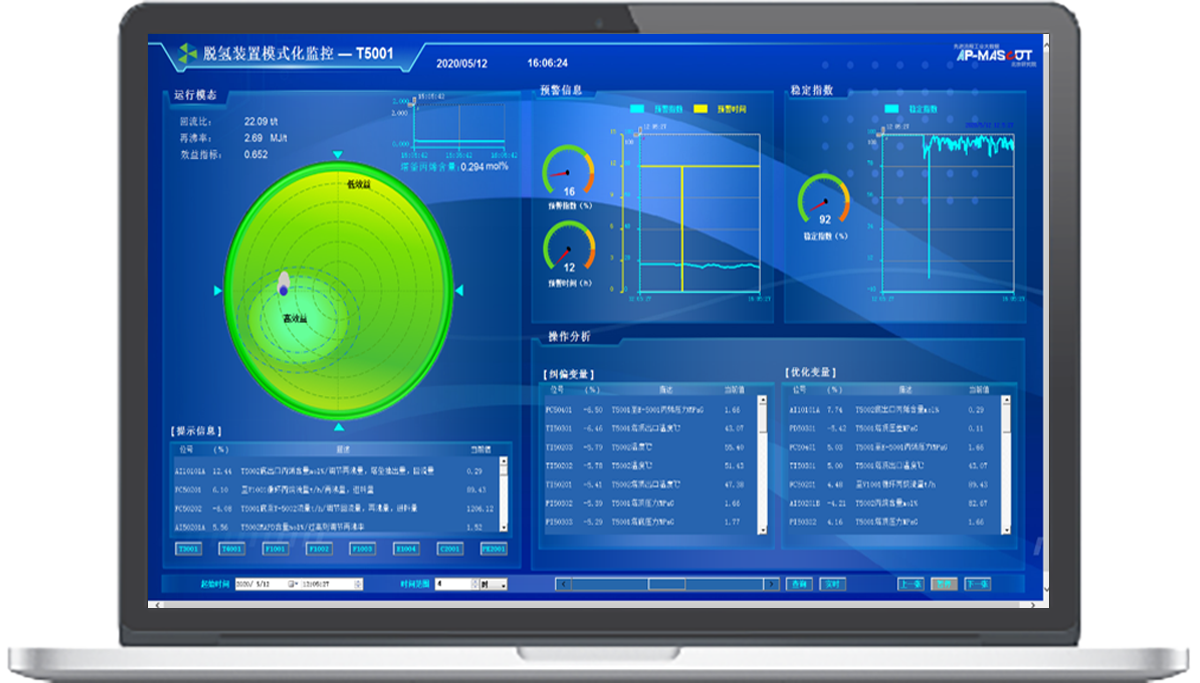
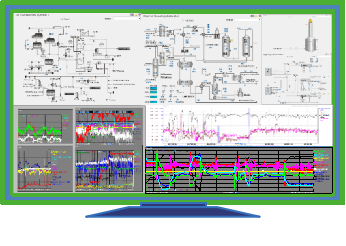
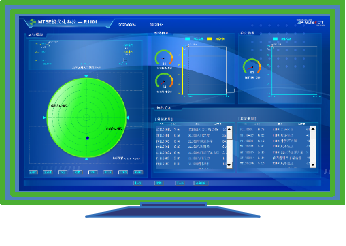
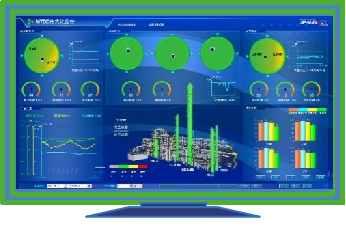
多因素模式化监控画面

Multi-factor pattern monitoring screen

装置优化操作

Unit optimization operation

模式化监控带来的改变

Changes brought about by pattern monitoring

管理者视角

Manager's perspective

操作者视角

Operator's perspective

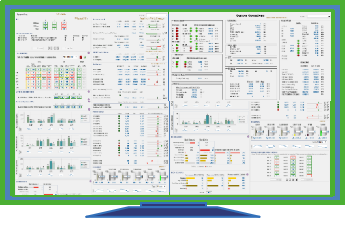
纷繁复杂的过去

complicated past

一目了然的现在

Clearly now

APC间接效益

APC indirect benefits

增加过程安全

Increase process safety

process monitoring 流程监测

Early detection of problems 问题的早期发现

减少下游装置波动

Reduce fluctuations in downstream equipment

Less process fluctuations 流程波动更少

提高操作工效率

Improve operator efficiency

关注于关键操作参数

Focus on key operating parameters

更多的流程信息

More process information

增加对流程的理解

Increase understanding of processes

尽管间接效益很难度量但是很有意义.

Although indirect benefits are difficult to measure,they are meaningful.

先进控制与优化成功应用的四大要素

Four elements for successful application of advanced control and optimization

1.先进控制技术Advanced control technology
  • 基本回路整定技术Basic loop tuning techniques

  • 软仪表技术Soft Instrumentation Technology

  • 多变量预估控制技术Multivariable predictive control technology

  • 在线优化技术Online optimization technology

  • 动态、工艺建模技术Dynamic, process modeling technology

  • 先控应用性能Control application performance first

2.实施方法论Implementation methodology
  • 技术方法Technical method

  • 生产管理流程的变革 Changes in production management processes

  • 项目管理、领导 project management, leadership

3.项目实施条件Project implementation conditions
  • 装置条件 Device conditions

  • 组织条件 organizational conditions

  • 人员要求、认识 Personnel requirements and understanding

4.长期维护long term maintenance
  • 组织管理保障 Organization management guarantee

  • 技术人员保障 Technical personnel protection

  • 维护技术工具 Maintenance technology tools

  • 考核、评估制度化 Institutionalization of assessment and evaluation

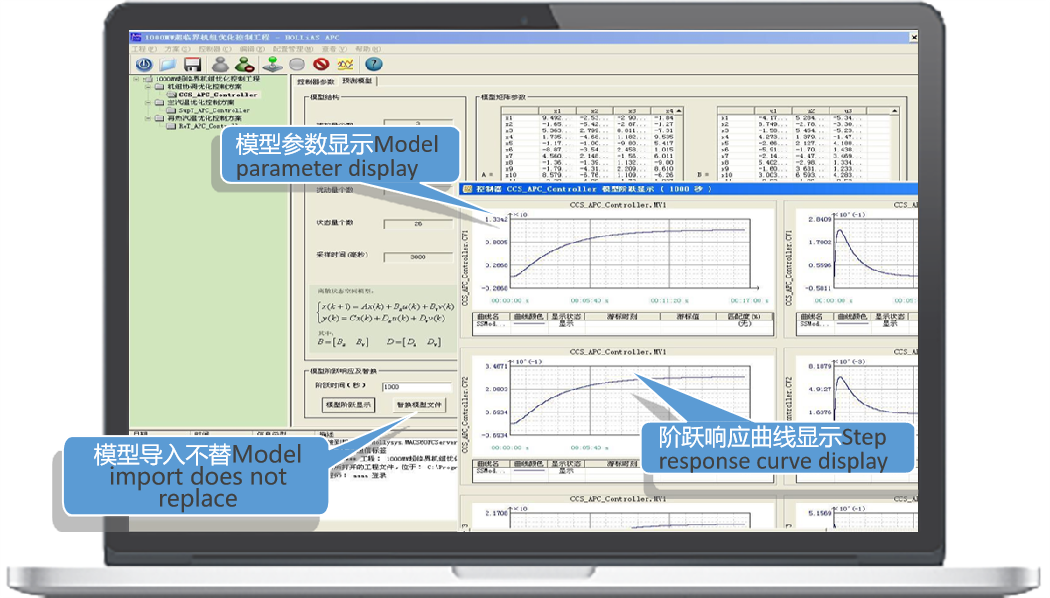
APC软件

APC software

  • 工程组态

    Engineering

  • MPC控制器方案组态

    MPC Controller Solution
    Configuration

  • 参数设置

    Parameter Settings

  • 模型辨识、仿真运行

    Model Identification And Simulation Operation

  • 信息显示

    Message Display

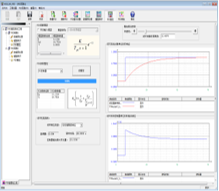
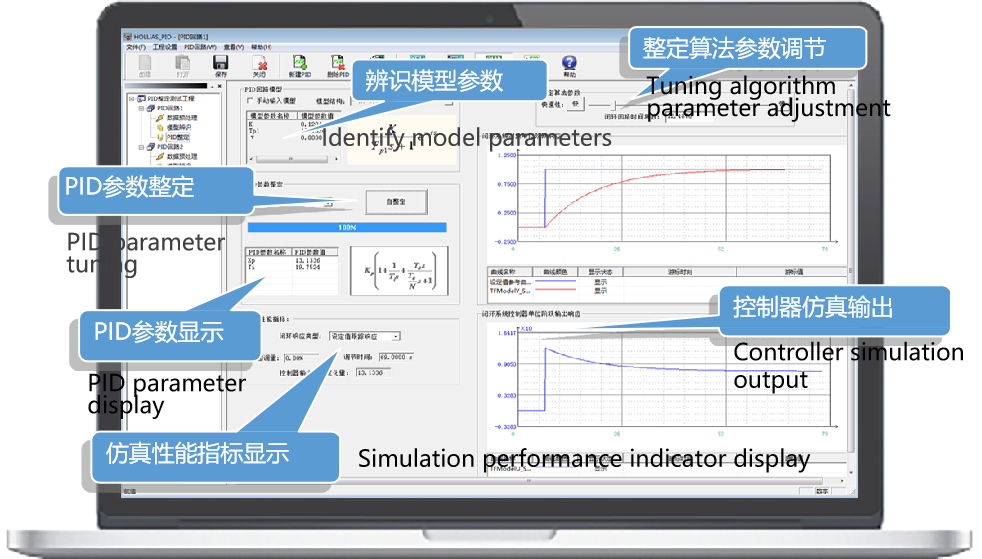
PID自整定软件

PID self-tuning software

  • 界面操作简单有效

    Simple and effective interface operation

  • 数据预处理、PID结构选择、 模型辨识、控制器仿真

    Data preprocessing, PID structure selection,Model identification, controller simulation

  • 满足不同厂家的PID控制器 结构的参数转换

    Meet parameter conversion of PID controller structures from different manufacturers

APC项目实施流程

APC project implementation process

  • 初步设计

    Initial Design

  • 可行性分析(现场/厂内)

    Feasibility analysis (on-site/in-factory)

  • 项目开工会(现场)

    Project kick-off meeting (on-site)

  • 第一阶段Stage 1

  • 详细设计

    detailed design

  • PID整定/预测试(现场)

    PID tuning/pre-test (on-site)

  • APC服务器安装(现场)

    APC server installation (onsite)

  • 功能设计(FDS)(厂内)

    Functional Design (FDS) (in-factory)

  • 阶跃实验数据采集(现场)

    Step experiment data collection (on-site)

  • 第二阶段Stage 2

  • 系统实施

    System Implementation

  • 建模/控制器设计(厂内)

    Modeling/Controller Design (In-Factory)

  • 界面/逡辑组态(现场)

    Interface/Logical Configuration (Onsite)

  • APC控制器投运(现场)

    APC controller put into operation (on site)

  • 第三阶段Stage 3

  • 投运验收阶段

    Operation acceptance stage

  • APC性能考核(现场)

    APC performance assessment (onsite)

  • APC培训

    APC training

  • 系统验收

    System acceptance

  • 第四阶段Stage 4